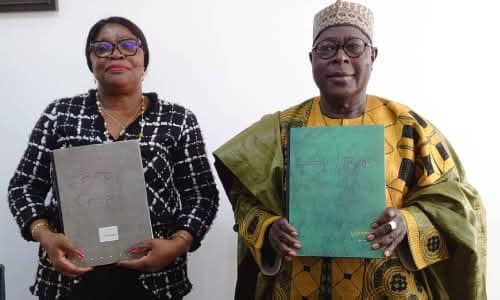
Yaoundé is hosting from August 25 to 27, 2026, the Second Regional Conference of the Congo Basin, a high-level gathering that places economic considerations at the forefront of discussions on food sovereignty, biodiversity conservation, and climate resilience. Under the high patronage of the Prime Minister, Head of Government, the Minister of Agriculture and Rural Development, Gabriel Mbairobe, officially opened the proceedings at the Franco Hôtel, bringing together over 120 delegates from twelve African countries, including key financial institutions, policymakers, and representatives of the private sector. Organized by the Alliance for Food Sovereignty in Africa (AFSA) and the National Coordination of Farmers’ Organizations of Cameroon (CNOP-CAM), the conference is strategically positioned to address the economic viability of agroecological transitions, the mobilization of substantial financial resources, and the creation of sustainable value chains that can drive inclusive growth across the Congo Basin region.
The economic stakes of this conference are considerable, as the Congo Basin, spanning 300 million hectares of forests and peatlands, represents not only the world’s second-largest ecological lung but also a vast reservoir of natural capital with immense economic potential. The first priority program of the Blue Fund for the Congo Basin has identified a funding requirement of 5.72 billion dollars for 70 projects, underscoring the scale of investment needed to transform the region’s agricultural and environmental sectors. While significant commitments have been announced by the African Development Bank, which has mobilized over three billion dollars for 63 projects, the Central African States Development Bank (BDEAC) with 600 million dollars, the World Bank with one billion dollars, and the African Chamber of Commerce of Scandinavia with 600 million dollars in grants, the annual financial gap for smallholder farmers to adopt sustainable and resilient practices remains substantial at 2.92 billion dollars. This conference serves as a critical platform for aligning these financial pledges with actionable economic strategies, ensuring that investments translate into tangible improvements in agricultural productivity, market access, and rural livelihoods.
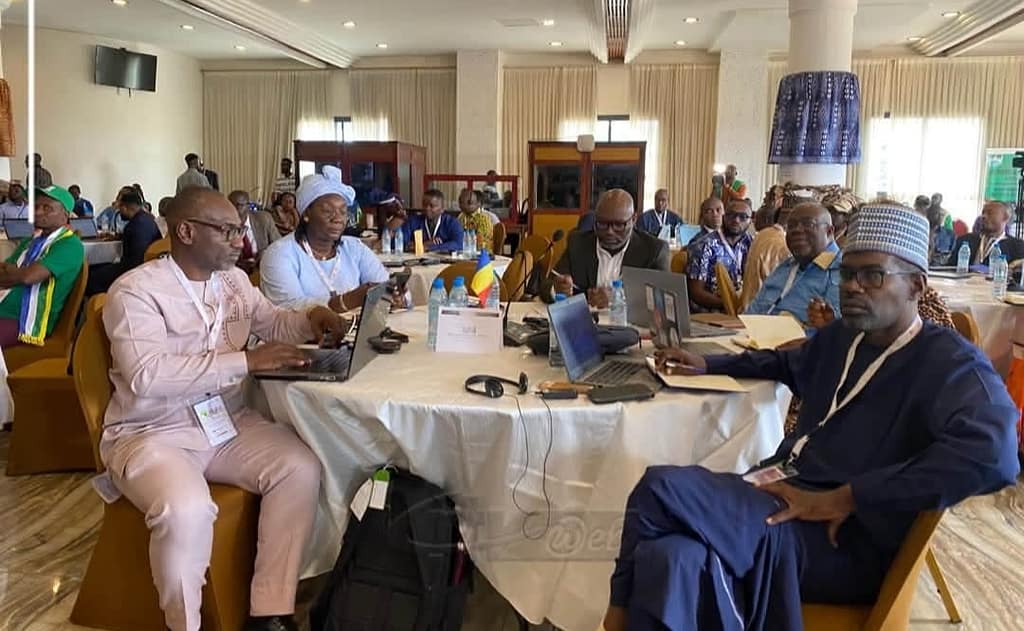
Beyond the immediate financial discussions, the conference is exploring the economic rationale for transitioning from conventional agricultural models to agroecological systems that prioritize long-term sustainability over short-term gains. Smallholder farmers, who cultivate on average less than ten hectares and produce over 50% of global food calories, are central to this economic transformation. The AFSA and its partners advocate for investment in farmer-managed seed systems, the integration of indigenous knowledge with scientific research, and the development of local food systems that reduce dependence on expensive chemical inputs and volatile international markets. This approach, they argue, not only enhances food security but also creates economic opportunities for youth and women, strengthens local economies, and builds resilience against climate-induced shocks. The conference is therefore examining innovative financing mechanisms, including climate-smart agriculture funds, payment for ecosystem services, and public-private partnerships that can unlock the economic potential of the Congo Basin while safeguarding its ecological integrity.

The economic dimension of the conference also extends to regional trade and value addition, with participants exploring strategies to promote intra-African agricultural commerce and reduce reliance on food imports. The adoption of the Yaoundé Declaration 2026 and the accompanying regional roadmap is expected to establish clear economic targets, accountability frameworks, and monitoring mechanisms that will guide governments, financial institutions, and development partners in their efforts to secure the economic future of the Congo Basin. As the conference progresses, the emphasis remains on transforming financial commitments into measurable economic outcomes, empowering local communities, and demonstrating that agroecology is not merely an environmental imperative but a sound economic investment that can drive sustainable development, create jobs, and ensure the prosperity of the region’s populations for generations to come.
À propos de l'auteur